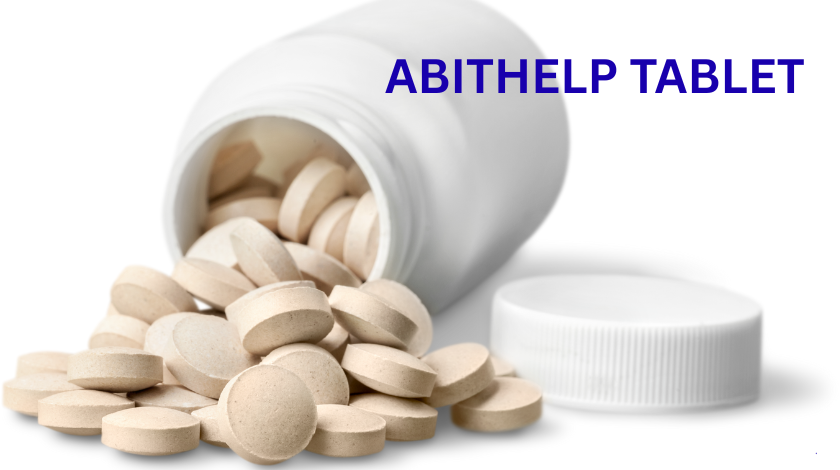
Have you ever finished a satisfying, hearty meal only to be rewarded with an hour of uncomfortable bloating, a feeling of a brick in your stomach, or embarrassing gas? I certainly have. For years, I thought that post-feast discomfort was just a normal tax you paid for enjoying your food. I’d grin and bear it, loosening my belt and promising to eat lighter next time. That was until a friend, who happens to be a gastroenterologist, mentioned in passing how many people simply lack sufficient digestive enzymes, especially as they age or after certain illnesses. That’s when I first heard the name Abithelp.
It popped up in our conversation not as a miracle cure, but as a common over-the-counter aid. I was intrigued. Like many of you, I went online to search for “Abithelp tablet uses” and “Abithelp side effects,” but I found a jumble of medical jargon, sparse product descriptions, and a few forum posts that seemed more like guesswork. It was frustrating. So, I decided to dive deeper, combining that doctorly advice with my own research and even trying it myself for a period. This guide is what I wish I had found back then: a plain-English, no-nonsense look at what Abithelp is, who it’s for, and how to use it wisely.
What Exactly is an Abithelp Tablet?
Let’s start by demystifying the name. At its core, Abithelp is a digestive enzyme supplement. Think of enzymes as tiny, specialized workers in your gut. Their job is to break down the big chunks of food you eat—like that steak or avocado—into much smaller, absorbable pieces that your body can use for energy, repair, and growth.
Without enough of these workers, the digestion process becomes slow and inefficient. Food sits in your gut longer than it should, leading to fermentation by gut bacteria (which causes gas) and that heavy, bloated feeling. Abithelp essentially provides a temporary reinforcement crew of these enzymes. The most important component inside it is something called Pancreatin. Now, don’t let the name scare you. Pancreatin is simply a natural extract that contains a mix of three key enzymes: amylase (for carbohydrates), protease (for proteins), and lipase (for fats). These are the very same enzymes your own pancreas produces. So, in a way, Abithelp is offering your body a helping hand, supplementing what you might be temporarily or chronically under-producing.
It’s crucial to understand from the get-go that Abithelp is not a drug that forces digestion. It is a supplement that supports the natural digestive process. It doesn’t numb pain or mask symptoms like an antacid might; it addresses a potential root cause of the discomfort: incomplete digestion.
The Key Ingredients and How They Work in Your Gut
Reading a supplement label can feel like decoding a foreign language. So, let’s translate the main actives in Abithelp into simple terms.
-
Pancreatin: This is the star of the show, as I mentioned. It’s not a single thing but a balanced team.
-
Lipase: This is your fat-digesting specialist. If you struggle with greasy, fried, or creamy foods—feeling nauseous or having loose, pale stools afterwards—it might be a sign of low lipase activity. This enzyme chops fats into fatty acids and glycerol.
-
Protease: The protein breaker. If you feel overly full for hours after a protein-rich meal (think meat, eggs, legumes), protease might be the weak link. It breaks long protein chains into peptides and amino acids.
-
Amylase: The carb manager. It starts working in your mouth (saliva has amylase) and continues in the gut, breaking down starches into simple sugars. While less commonly the primary issue, it supports overall digestive harmony.
-
-
Other Supporting Ingredients: Different brands might add other elements like cellulase (for breaking down plant fibers) or ox bile extract. The standard Abithelp formulation is primarily pancreatin-based. The genius of this combination is that it mirrors your body’s own digestive secretions. When you take a tablet with a meal, it travels with the food, getting to work right where it’s needed in the small intestine, theoretically making the process smoother and more efficient.
Who Should Actually Consider Taking Abithelp?
This is perhaps the most important section. Abithelp isn’t a universal “feel better” pill for every tummy ache. It’s designed for specific scenarios.
-
People with Exocrine Pancreatic Insufficiency (EPI): This is the primary medical condition it aims to support. EPI means the pancreas isn’t making enough digestive enzymes. It can happen due to chronic pancreatitis, cystic fibrosis, pancreatic surgery, or even as a part of aging. A doctor would diagnose this.
-
Those Experiencing Age-Related Digestive Slowdown: As we get older, our body’s production of many things, including digestive enzymes, can naturally decline. You might find foods you once enjoyed now cause discomfort.
-
Individuals with Occasional Heavy Meal Discomfort: This is the most common over-the-counter use. Think Thanksgiving dinner, a big wedding feast, or a rich restaurant meal. Taking an enzyme supplement can proactively support your system during these one-off digestive marathons.
-
People with General Symptoms of Poor Digestion: This includes persistent bloating shortly after eating, excessive gas, feelings of incomplete digestion, and floating or fatty stools. However, and this is a big however, these symptoms can also signal other conditions like IBS, SIBO, or food intolerances. That’s why Abithelp shouldn’t be a long-term self-prescription without understanding the “why.”
From my own trial, I found it most helpful during periods of heavy eating, like holidays. For my day-to-day meals, I didn’t notice a significant difference, which told me my baseline enzyme production was probably okay. It reinforced the idea that it’s a tool for specific situations, not a daily necessity for everyone.
How to Use Abithelp Correctly: Dosage and Timing Are Everything
Getting the most out of Abithelp isn’t just about swallowing a pill. Timing and dosage are critical for it to work as intended.
The golden rule is: Take it with your meal. I can’t stress this enough. If you take it 30 minutes before or after eating, the enzymes and the food will likely miss each other in your digestive tract. The enzymes need food to work on. My method was to take the tablet(s) right at the beginning of the meal or halfway through.
The dosage is not one-size-fits-all. It depends on the fat and protein content of your meal and your individual needs.
-
Standard Guidance: Often, one tablet with a main meal is suggested. For a particularly large, rich, or fatty meal, two tablets might be recommended (always check the specific brand’s instructions).
-
Medical Use: For diagnosed conditions like EPI, a doctor will prescribe a specific, usually higher, dosage tailored to the severity of the insufficiency. This is a clinical decision.
A common mistake people make is taking it with just a snack or a light meal. For a simple piece of fruit or a salad, your body’s own enzymes are almost certainly up to the task. Save it for the challenging meals where you feel you need the extra support.
The Real Benefits: What Can You Realistically Expect?
Managing expectations is key to being satisfied with any supplement. Abithelp is not a magic bean that will let you eat anything without consequence. Its benefits are specific and functional.
-
Reduced Post-Meal Bloating and Discomfort: This is the most reported benefit. By helping to break down food more completely and quickly, there’s less material sitting around in your gut to ferment and cause gas and distension.
-
Improved Nutrient Absorption: When food is properly broken down, your body can absorb the vitamins, minerals, and macronutrients within it more effectively. Over time, this can help with overall energy levels and nutritional status, especially in those with a true deficiency.
-
Less Gas and Flatulence: More complete digestion means less undigested food reaches the gas-producing bacteria in your large intestine. The result can be a noticeable decrease in embarrassing gas.
-
Support for Digesting “Problem” Foods: Many people find it helpful for tolerating specific foods like beans, dairy, or fatty meats that previously caused them issues. It doesn’t cure an intolerance or allergy, but it can ease the digestive load.
The benefit I noticed personally was a definite reduction in that “food coma” feeling and bloating after a large dinner. It didn’t change the calorie content of the meal, of course, but it made the digestive aftermath feel less burdensome.
Being Safe: Understanding Potential Side Effects and Precautions
Abithelp is generally considered safe for most people when used as directed, because it’s simply providing substances your body already makes. However, “natural” doesn’t mean “side-effect-free.”
-
Common Side Effects: Some people might experience mild gastrointestinal issues when they first start, such as nausea, mild diarrhea, or abdominal cramping. This often settles as your body adjusts.
-
Allergic Reactions: Though rare, be aware of signs of allergy, especially if you are allergic to pork (as pancreatin is often porcine-derived). Check the source on the label.
-
Important Precautions:
-
Consult a Doctor First: If you have persistent digestive issues, see a doctor. Self-treating with enzymes could mask a more serious condition like pancreatic disease, gallbladder issues, or an ulcer.
-
Pregnancy and Breastfeeding: There isn’t enough solid research to declare it unequivocally safe, so it’s best to avoid or consult your OB-GYN.
-
Underlying Conditions: If you have gout or kidney problems, talk to your doctor, as the breakdown of proteins can increase uric acid levels.
-
Children: Should only be given under medical supervision.
-
The most significant risk, in my opinion, isn’t a physical side effect—it’s the risk of using Abithelp as a band-aid. Popping a pill to enable a chronically poor diet is missing the point. It should be part of a solution that includes looking at your overall diet, stress levels, and gut health.
Where to Buy and How to Choose Authentic Products
You can find Abithelp and similar pancreatin supplements at most major pharmacies, both in-store and online. Online retailers like Amazon also stock various brands.
Tips for Choosing a Quality Product:
-
Check the Potency: Look for the units of activity (USP units) for lipase, protease, and amylase, not just the weight in mg. A reputable brand will list these.
-
Source Transparency: The label should state the source (e.g., porcine pancreatin) and any other ingredients.
-
Brand Reputation: Opt for well-known, established pharmaceutical or supplement brands with good manufacturing practices (look for GMP certification).
-
Expiry Date: Enzymes can lose potency over time. Always check the expiry date.
-
Price vs. Value: The cheapest option isn’t always the best. Compare potencies across brands to judge value.
Be wary of products making outrageous health claims. Abithelp’s job is digestive support, not weight loss, disease curing, or eternal youth.
Conclusion
Navigating the world of digestive supplements can be confusing, but I hope this guide has brought some clarity to the topic of Abithelp tablets. To wrap it up, think of Abithelp as a skilled assistant for your digestive system. It’s incredibly useful when there’s a temporary overload or a proven, mild shortfall in your body’s own enzyme production. For those with diagnosed conditions like EPI, it’s an essential part of daily management.
For the rest of us with occasional struggles, it can be a helpful tool in the cupboard for special occasions. The key takeaways are to use it intelligently—with meals, at the right dosage, and with realistic expectations. Most importantly, listen to your body. If you find yourself needing it every single day, that’s your body’s way of sending a signal that something deeper might need attention, and that’s the perfect time to partner with a healthcare professional. Good digestion is the foundation of good health, and sometimes, we all need a little help to keep that foundation strong.
Frequently Asked Questions (FAQ)
Q1: Can I take Abithelp tablet daily?
A: For occasional digestive support, it’s generally fine as needed. However, if you feel the need to take it daily to function normally, you should absolutely consult a doctor to rule out an underlying condition that requires proper diagnosis and management.
Q2: How quickly does Abithelp start working?
A: It starts working as soon as it mixes with your food in the stomach and small intestine. You may notice reduced bloating and discomfort within an hour or two after the meal.
Q3: Is Abithelp helpful for acid reflux or heartburn?
A: Not directly. Acid reflux is about stomach acid moving up the esophagus. Abithelp works on digesting food in the gut. However, if poor digestion contributes to your reflux (by keeping food in the stomach too long), it might indirectly help some people, but it’s not a primary treatment for heartburn.
Q4: Can Abithelp help with weight loss?
A: No. Abithelp aids in the digestion and absorption of nutrients from the food you are eating. It does not block calories, fat, or carbs, nor does it boost metabolism. Using it to try to eat more without consequence is not a weight loss strategy.
Q5: Are there any food interactions I should be aware of?
A: No significant food interactions are known. The main interaction is positive—it works with your food. However, avoid taking it with very hot drinks, as extreme heat can denature (damage) the enzymes.